Advertorial Disclosure: We may earn money or products from the companies mentioned in this post.”
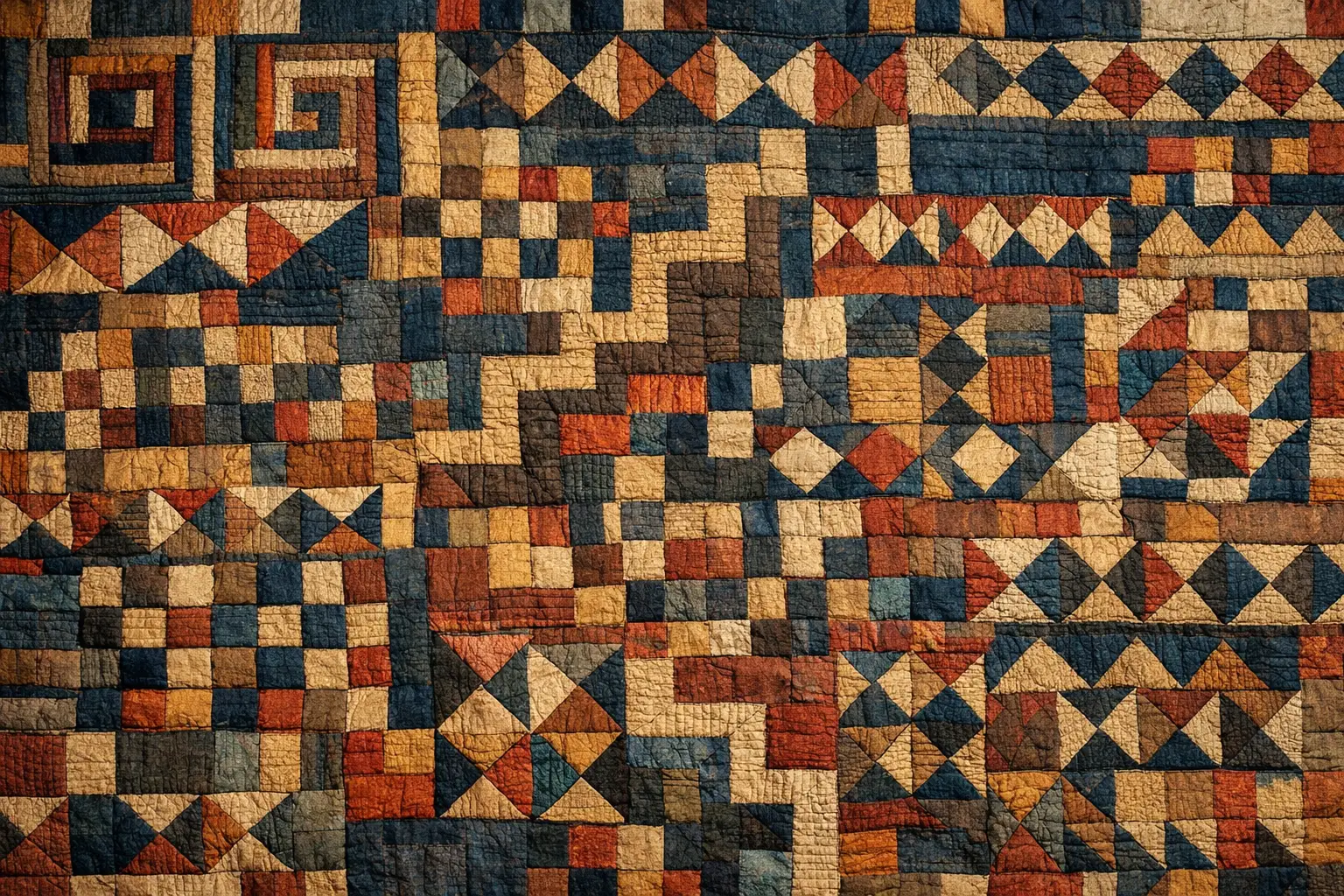
When My Grandmother Said Kiba
A Personal Journey Into Gullah Geechee History
I did not discover Gullah Geechee history in a classroom.
I found it in a Bible.
It was a Bible written entirely in the Gullah Geechee language. As I tried to read it, one word kept appearing again and again:
“Gwine.”
I didn’t need a footnote for that word.
I already knew what it meant.
It meant go.
I knew this because my grandparents used it constantly. Growing up, they were the only people I knew who spoke this way. My parents didn’t. Or at least, not around me. As a child, I quietly assumed my grandparents were just “speaking English incorrectly.”
But language remembers what history tries to forget.
The Word That Opened the Door
My grandmother never said “cover”.
She said “Kiba”.
Kiba meant quilt. Blanket. Covering.
Years later, after finding the Gullah Bible, curiosity turned into something heavier. I searched the concordance of my standard English Bible for verses that used the word cover. Then I flipped to those same verses in the Gullah Bible.
There it was.
“Kiba”.
The same word my Grandmother used.
The same word my Grandfather used.
Suddenly, my childhood wasn’t just memory.
It was evidence.
What I had been hearing wasn’t just broken English.
It was a different language.
Who the Gullah Geechee Are
The Gullah Geechee are descendants of Africans kidnapped from specific regions of West and Central Africa where rice cultivation already existed. Their knowledge was the reason they were targeted.
They were taken primarily to the coastal regions of:
South Carolina
Georgia
Alabama
Florida
There, they were forced to build the American rice economy.
But isolation did something unexpected.
Cut off on plantations and barrier islands, they preserved African language structures, customs, craftsmanship, and spiritual traditions. A new language emerged. A new culture took root.
It is not legislatively official.
But it is federally acknowledged and culturally protected.
And it survived.
The Quilts That Told the Same Story
Everybody in my family had them.
Heavy. Patchwork. Hand-sewn. Beautiful.
You didn’t own one quilt. You had two or three.
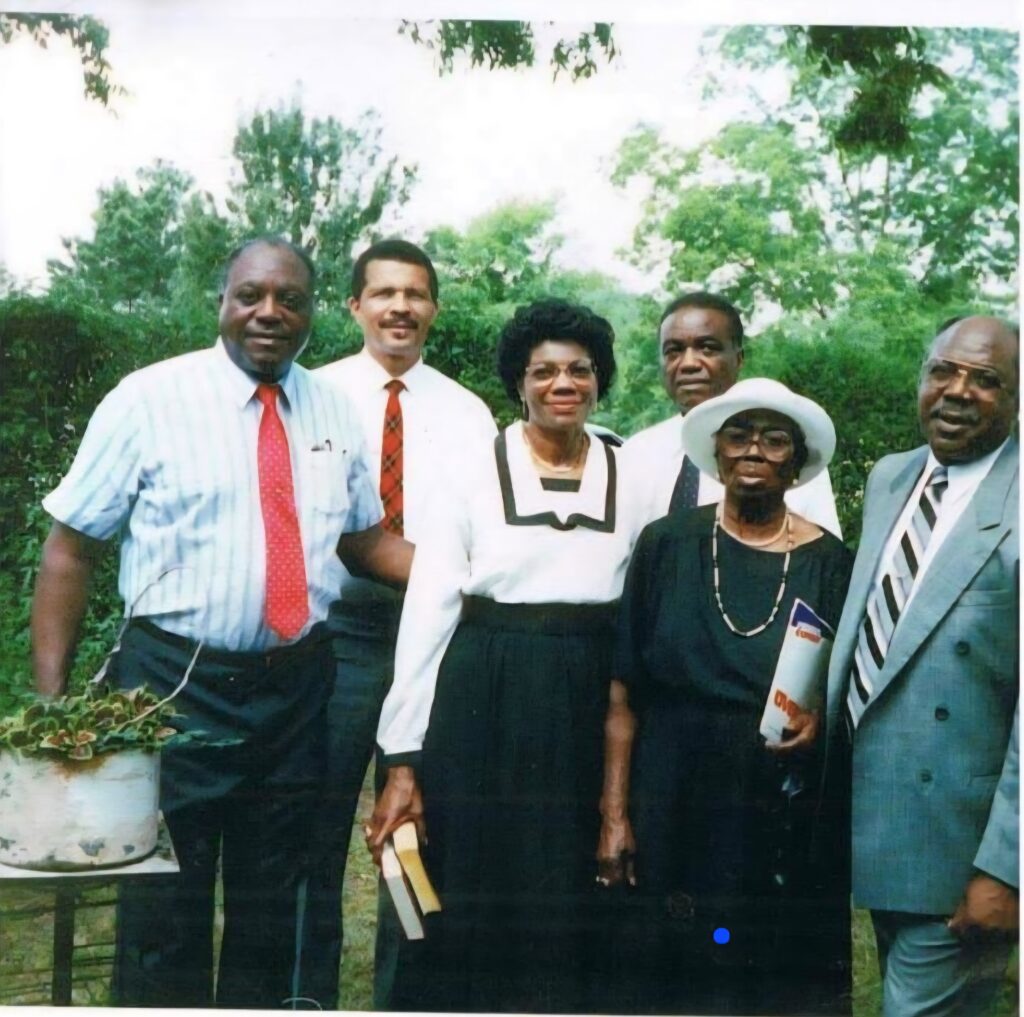
One day, my father walked me nearly a mile through the woods in Alabama to visit a woman he called Ms. Pinky.
She saw my Dad from a distance and began hollering,
“Glenn!”
She was old. But strong. You could hear it in her voice. She slapped her knee with a thump, in pure joy as he approached.
Inside the house:
Tin roof
Chickens running loose
A rifle hanging on a kitchen rack
And four women sitting around a table, sewing a quilt.
No museum.
No plaque.
Just living history.
The Fighters History Softened
There is a version of Black history that emphasizes endurance.
The Gullah Geechee story also includes resistance.
These were not passive people waiting for freedom.
They burned plantations, to the ground.
They became such a threat that they gave Abraham Lincoln and Union leadership real incentive to act. Emancipation wasn’t just moral pressure. It was strategic.
The Gullah Geechee had been armed and trained long before the Civil War.
Before Canada, There Was Florida
History often tells us the road to freedom ran north.
But for many enslaved Africans, the nearest escape was south.
Spanish Florida.
At Fort Mose known formally as Gracia Real de Santa Teresa de Mose, formerly enslaved Africans were:
Educated
Armed
Trained militarily
The Spanish recruited Gullah Geechee fighters to defend against the British.
Freedom came with a rifle.
Children were trained young.
Some accounts say girls could handle firearms by age six.
By the time the Civil War arrived, the Gullah Geechee were not merely survivors.
They were formidable.
The Language Was the Proof
I used to think my grandparents spoke incorrectly.
What they were really doing was remembering out loud.
Their words carried Africa.
Their quilts carried maps of survival.
Their silence carried strategy.
Finding that Bible didn’t give me new ancestry.
It confirmed what my family had been telling me all along
Why This Matters for Black History Month
Black history is not only about what was taken.
It’s also about what could not be erased.
Language survived.
Craft survived.
Resistance survived.
And sometimes, it survives in a single word whispered across generations:
Kiba.