Advertorial Disclosure: We may earn money or products from the companies mentioned in this post.”
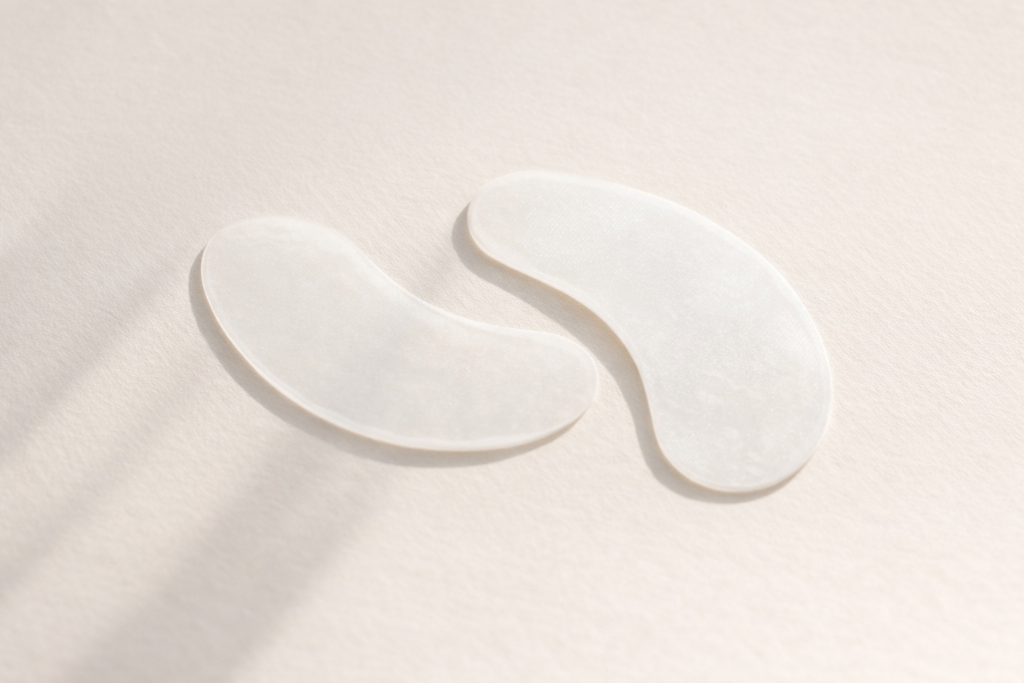
Under-eye patches are often talked about as if they all do the same thing. They don’t.
Most disappointment with eye patches doesn’t come from unrealistic expectations. It comes from choosing the wrong type for what someone actually needs. If you’re still deciding whether eye patches are even worth considering, this overview explains what actually matters before buying. Hydrogel and collagen eye patches serve different purposes, and understanding that difference makes the choice much easier.
Why Eye Patches Can Feel Confusing
Eye patches became popular not because skincare suddenly got more advanced, but because daily routines became more compressed. Long screen time, irregular sleep, and constant video calls made signs of fatigue harder to ignore.
As interest grew, so did the number of options. Packaging started emphasizing results, ingredients, and claims, while the practical differences between patch types were rarely explained. That’s where confusion sets in.
What Hydrogel Eye Patches Are Designed to Do
Hydrogel eye patches are primarily about hydration and comfort.
They’re formulated to:
Rehydrate the under-eye area
Reduce the look of puffiness
Help the skin look more rested
Hydrogel patches tend to feel cooling and lightweight. They sit comfortably on the skin and stay in place without sliding, which makes them easier to use regularly. Because of that, they often become part of a routine rather than a one-off treatment.
That’s why simpler hydrogel patches often become repeat purchases for everyday use. They fit easily into real routines without demanding attention or adjustment.
What Collagen (Treatment-Style) Eye Patches Do Differently
Collagen or treatment-focused eye patches are designed with structure and skin support in mind.
These patches often include ingredients aimed at:
Improving the look of fine lines
Supporting elasticity
Addressing texture over time
They’re usually better suited for occasional or intentional use rather than daily wear. Some formulas are more active, which can be helpful for certain concerns but less ideal for frequent use or sensitive skin.
These patches aren’t better or worse. They’re simply designed for a different purpose.
Which Type Should You Choose?
The decision usually comes down to how you plan to use them.
Choose hydrogel eye patches if:
You want hydration and a refreshed look
You plan to use them regularly
Comfort and ease matter most
Choose collagen or treatment-style patches if:
Fine lines or elasticity are your main concern
You’re comfortable using them less frequently
You’re intentionally adding a treatment step
Many people assume eye patches are interchangeable. In reality, choosing the right type prevents frustration and makes the product feel useful rather than disappointing.
A Simple Way to Think About It
Hydrogel patches support how your eyes look today.
Treatment-style patches support how the skin behaves over time.
Once that distinction is clear, the choice usually becomes obvious.
Eye patches don’t need to transform anything to be worthwhile. Sometimes their value is simply helping you look more rested without asking for more effort.
Knowing the difference is what makes them work.